Denture Repairs: What's Possible, What's Not, And When To Replace
A cracked denture, loose tooth or broken clasp does not automatically mean the entire denture needs replacing. Many common types of damage can be repaired, although the right option depends on what has broken, how well the denture still fits and its overall condition.
For anyone considering denture repairs on the Central Coast, the important question is not simply whether the damage can be fixed. It is whether repairing the existing denture still makes sense, or whether changes in fit, repeated breakages or worn teeth mean replacement would be the better longer-term option.
Can a Broken Denture Be Repaired? The Quick Answer
Many common denture breakages can be repaired. Teeth that have broken or come away may be reattached, lost teeth can sometimes be replaced, broken denture bases can be repaired and damaged retainers or clasps may also be replaceable.
The condition of the rest of the denture still matters.
A repair may solve an isolated problem when the denture otherwise fits securely and remains in reasonable condition. If it is repeatedly breaking, has become loose because the gums or jaw have changed, or the teeth are badly worn, continuing to repair the same denture may only address the immediate damage.
If a broken denture has sharp edges or is creating sore spots, avoid continuing to wear it until it has been professionally assessed.
What Kinds of Denture Damage Can Be Fixed?
Different problems require different approaches, and not every repair involves remaking the denture.
A Tooth Has Broken or Come Off
If the original denture tooth is still available and suitable to reuse, it may be possible to reattach it.
Keep the tooth and the denture together rather than attempting to glue them back into position. Reattaching the existing tooth is different from replacing one that has been lost entirely.
A Denture Tooth Is Missing
A lost tooth can often be replaced, but the process may require a new impression so the replacement can be positioned correctly in relation to the mouth and existing denture.
This is one reason it is useful to explain exactly what has happened when booking a broken denture repair.
The Denture Base Has Cracked or Broken
Damage to the acrylic base can often be repaired depending on the nature and position of the break.
The cause is also worth considering. An accidental drop is different from a denture that repeatedly fractures while being worn. Recurring cracks can be a sign that simply repairing the break may not address the underlying fit or wear issue.
A Retainer or Clasp Has Broken
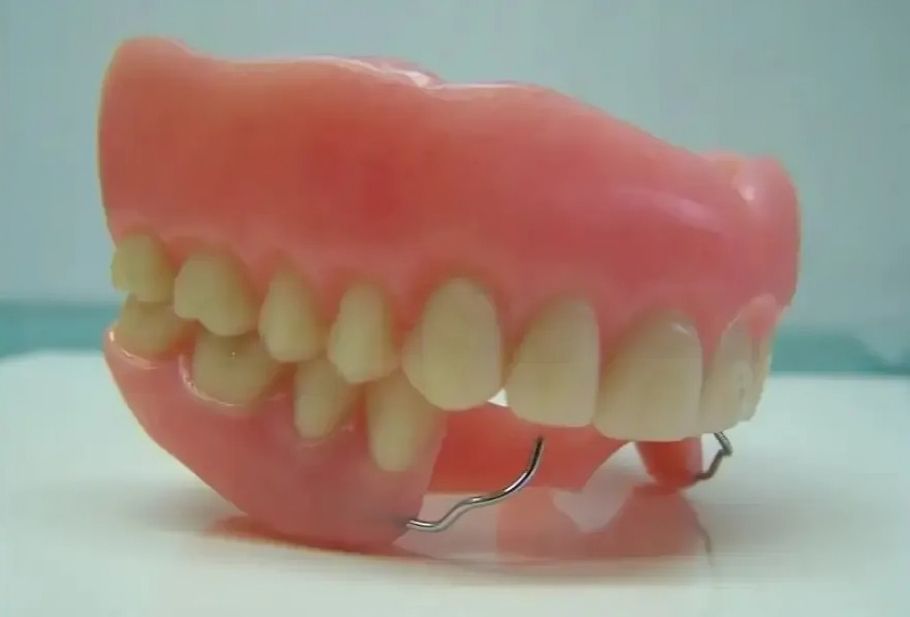
Broken retainers or clasps on partial dentures may be replaceable. Because these components need to relate accurately to the remaining teeth, replacing them will typically require an impression.
Staining Will Not Come Off
Not every maintenance problem involves structural damage.
If staining remains after normal brushing and soaking, professional cleaning and polishing may help remove deposits that cannot be shifted with routine home care. For everyday maintenance between appointments, these tips on
caring for your dentures cover cleaning and handling in more detail.
Which Repairs Are Simple and Which Need a New Impression?
The distinction often comes down to whether the existing denture can simply be restored or whether new information about the mouth is needed.
Reattaching an existing tooth, for example, is generally a more straightforward repair than replacing a missing tooth that is no longer available.
A new impression may be needed when:
- A lost tooth needs to be replaced
- A broken retainer or clasp needs replacing
- The repair needs to account for the current shape of the mouth
- Changes to the existing denture need a more accurate fit
Repairs requiring an impression generally involve more steps than a straightforward reattachment. That does not mean a particular turnaround time can be assumed, however. Timing depends on the repair, so it is best to contact the clinic and explain what has broken before making plans around collection or return.
Why Shouldn't You Superglue or DIY-Fix Your Denture?
Trying to repair a denture with household adhesive can create additional problems.
Superglue should not be used on dentures. It is toxic if ingested, and when a dental technician later needs to grind material containing the adhesive, it can release harmful particulates.
A home repair can also make the professional repair more difficult. If a tooth or broken section is glued back into the wrong position, it may alter the way the denture fits or how the teeth meet when biting.
If a denture breaks:
- Keep all pieces you can find
- Do not glue them together
- Avoid repeatedly wearing a sharp or uncomfortable denture
- Arrange a professional assessment
The aim is to preserve the original pieces and avoid changing their position before the repair can be assessed properly.
When Is Repairing No Longer Worth It — and a New Set Makes More Sense?
The decision between denture repair or replacement should consider the denture as a whole, not only the newest break.
Dentures typically last around 5–10 years, although the appropriate replacement point varies between individuals. The gums and jaw can change over time, affecting how an older denture fits even when the denture itself has not visibly broken.
Regular check-ups, usually around every 12 months, provide an opportunity to monitor fit and condition.
The right option depends on what has changed with the denture.
If one tooth has come off but the denture still fits securely, repairing or reattaching the tooth may be enough. If a tooth has been lost completely, a replacement can often be added, although a new impression may be required.
When the denture has become loose but the teeth are still in good condition, a reline may improve the fit by adding a new layer to the fitting surface. If the teeth are worn but the fitting surface remains secure, a remodel may be another option.
Additional teeth can also sometimes be added to an existing denture, including following an extraction once the socket has fully closed over.
If the denture repeatedly breaks, no longer fits properly or has become significantly worn overall, replacing it may make more sense than continuing with individual repairs.
If another repair is being weighed against replacement, this guide to investing in quality dentures looks more broadly at long-term considerations.
Have the Denture Assessed Before Deciding
At Toukley Denture Clinic, registered dental prosthetist Jim Christopherson personally oversees every consultation, fitting and repair. Jim is AHPRA registered DEN0001042807 and an ADPA member N0031, and the family-owned practice has been serving the local community since 1983.
If you need denture repairs on the Central Coast, bring the denture in so we can assess the damage, the existing fit and whether repair, maintenance or replacement is the more practical option.
Our clinic is open Monday to Thursday from 7am to 12pm, with after-hours appointments available by arrangement. If limited mobility or aged care makes visiting difficult, our house call denture service also covers areas including Bateau Bay, The Entrance and Wyong.
For
denture repairs on the Central Coast, call
(02) 4396 6184 to discuss what has broken and arrange an assessment.
Frequently Asked Questions