What Happens If You Don't Replace Missing Teeth?
Losing a tooth rarely feels like an emergency at the time. For a lot of people, a gap at the back of the mouth or a missing tooth that isn't visible when they smile just doesn't seem urgent enough to act on straight away. But that gap doesn't stay still. Within weeks, neighbouring teeth begin to shift, the jawbone underneath starts to change shape, and everyday tasks like chewing or speaking clearly can quietly become harder than they used to be.
For adults on the Central Coast, and particularly older adults and retirees who may have been managing a missing tooth for some time, these changes tend to build gradually rather than all at once. That's part of what makes them easy to overlook. A denture appointment gets put off, life gets busy, and a year or two later the changes are far more noticeable than they would have been if addressed earlier.
In this guide, we explore what actually happens when a missing tooth is left untreated, from the mouth itself right through to diet and everyday confidence, and how dentures can help restore what's been lost. If you're concerned about a missing tooth and considering dentures on the Central Coast, understanding what's actually happening in your mouth makes it easier to decide what to do next.
Why Shifting Teeth Are the First Warning Sign
Teeth are held in position partly by the pressure of their neighbours. Remove one, and the surrounding teeth begin leaning into the gap while the opposing tooth in the other jaw can drift up or down to meet it.
- Crowded, tilted teeth trap food and plaque, making brushing and flossing harder
- Remaining teeth absorb extra bite force, which can lead to cracks or looseness over time
- What starts as a single gap can gradually affect the alignment of the whole mouth
How Jawbone Loss Changes Your Facial Appearance
The jawbone relies on pressure from tooth roots to stay dense. Once a tooth is gone, that stimulation stops, and the body gradually reabsorbs the bone that's no longer being used.
Over months and years, this can lead to:
- A sunken appearance in the cheeks and lips
- Deeper lines forming around the mouth
- A noticeably shorter lower face profile in cases of multiple missing teeth
This process happens gradually, which is exactly why it's often missed until the change is well underway. Family members or old photos are sometimes what prompt someone to notice the difference, rather than anything felt day to day. By the time it's visible in the mirror, the bone loss driving it has usually been progressing for some time already.
Front Teeth vs Back Teeth: Different Problems, Different Risks
Where a tooth is lost changes what you'll notice first. Front teeth support speech and the shape of the lips, so losing one can affect how certain sounds come out and change the look of a smile. Back teeth, meanwhile, do the heavy lifting when it comes to chewing.
Losing a molar or premolar often means shifting the workload onto the front teeth, which aren't built for grinding down tougher foods. Over time, this can wear down enamel and put strain on teeth that were never designed to carry that load. It's a common pattern. Someone loses a back tooth, doesn't think much of it since it's out of sight, then notices months later that their front teeth have started to feel more worn or sensitive than before.
The Hidden Impact on Diet and Nutrition
Chewing efficiency drops noticeably once back teeth are missing, and many people respond by quietly switching to softer, more processed foods without realising why.
- Fibrous vegetables, meats, and nuts become harder to manage
- A shift towards soft or carbohydrate-heavy foods can affect long-term nutrition
- Swallowing larger, poorly chewed pieces of food places extra strain on digestion
For older adults in particular, these dietary shifts can add up over time and affect overall wellbeing. It's rarely a conscious decision to eat differently. It's more that certain foods start to feel like too much effort, so they quietly drop off the shopping list. Over months, that can mean less variety in the diet overall, not just fewer difficult-to-chew foods.
Could Missing Teeth Affect Your Long-Term Health?
Gaps left by missing teeth can make it easier for decay and gum disease to develop in the surrounding area, since these spots are harder to clean effectively. Food debris settles more easily around a gap, and the awkward angle can mean brushing doesn't reach as well as it should, even with good habits. Some research has also explored a link between significant tooth loss and broader health outcomes in older adults, including frailty. While this is an area of ongoing study rather than a settled outcome, it's a reasonable reason to treat missing teeth as more than just a cosmetic concern.
Why Waiting Longer Makes Treatment More Complex
The changes described above don't reverse on their own, and they tend to compound. Bone loss can reduce the options available down the track, shifted teeth can complicate a straightforward replacement, and long-term dietary changes are harder to undo the longer they continue. What might have been a simple, single-tooth fix early on can turn into a more involved conversation a few years later, once several of these changes have been allowed to build on each other.
Addressing a missing tooth earlier generally means a simpler, more straightforward path forward compared to waiting until multiple issues have developed together.
How Dentures Restore Function and Confidence
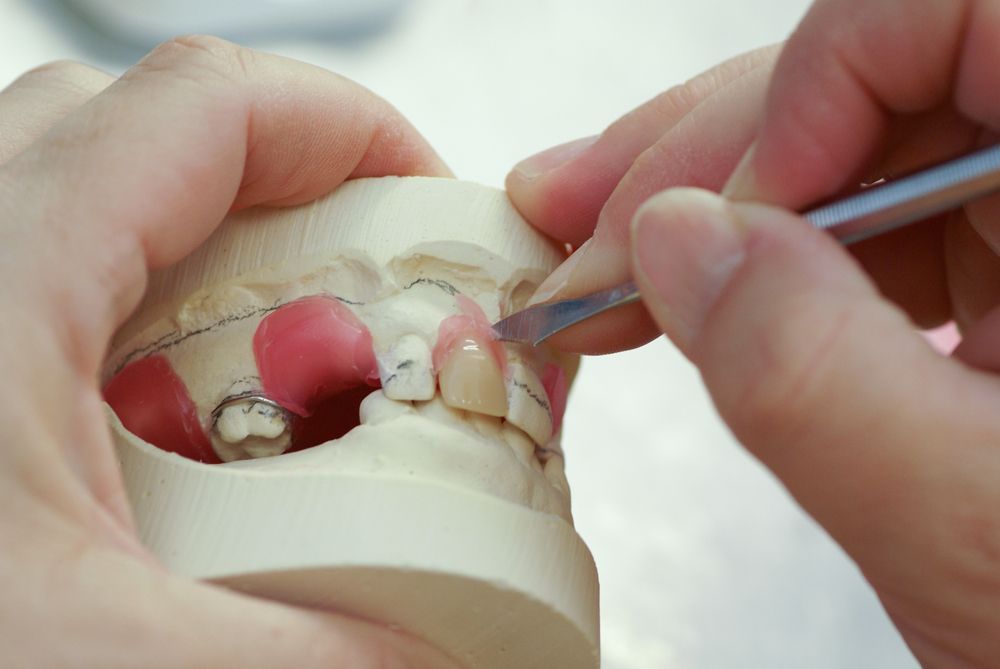
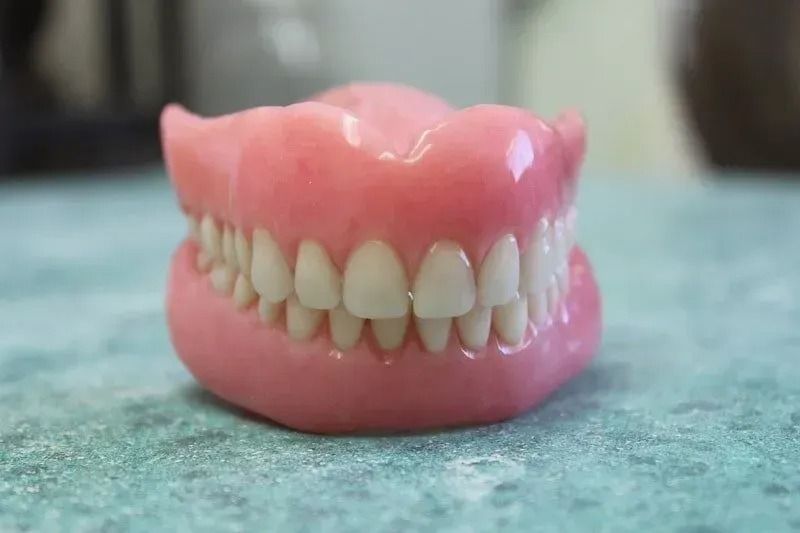
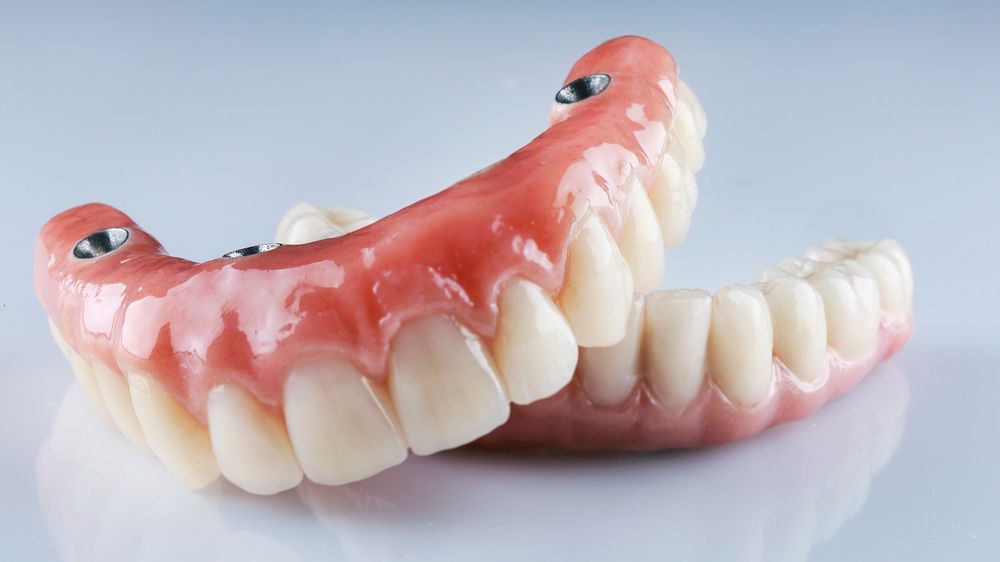
Removable dentures remain one of the most accessible ways to replace one tooth, several teeth, or a full arch. Custom-fitted dentures rest on the gums and are shaped to restore the support that missing teeth once provided.
- They help restore the natural fullness of the cheeks and lips
- They're fitted to support chewing across a wider range of foods than an untreated gap allows
- They can be adjusted over time as the mouth changes
For someone who has been avoiding certain foods or noticing changes in their smile, a well-fitted denture can bring back a level of normality that's easy to underestimate until it's restored. Regular check-ups also help keep a denture fitting well and comfortable as the gums and jawbone continue to settle over the following months.
Is It Too Late to Replace Missing Teeth?
Whether a tooth has been missing for a few months or several years, replacement is generally still an option. The right approach depends on how many teeth are missing, their location in the mouth, and the current state of the jawbone and gums, all of which are worth discussing with someone who can assess the mouth directly.
Here at
Toukley Denture Clinic, we understand how gradual these changes can be, and how much of a difference a well-fitted denture can make for adults across the Central Coast. If you've been putting off replacing a missing tooth,
getting in touch is a straightforward way to find out what your options look like now.
FAQs