Full Vs Partial Dentures: Which Is Right For You?
Losing teeth can affect more than just appearance. It may influence how you eat, speak and feel in everyday situations. For many people, dentures are one option that may help restore function and support daily comfort. If you are exploring your options for the first time, understanding the difference between full and partial dentures can make the process feel more manageable.
Each type of denture is designed for a different situation. The right choice often depends on how many teeth are missing, the condition of remaining teeth and individual preferences. For those considering dentures on the Central Coast, learning how each option works can help guide a more informed decision.
If you would like to explore available options or speak with a provider, you can visit our website for more information.
What Are Full Dentures?
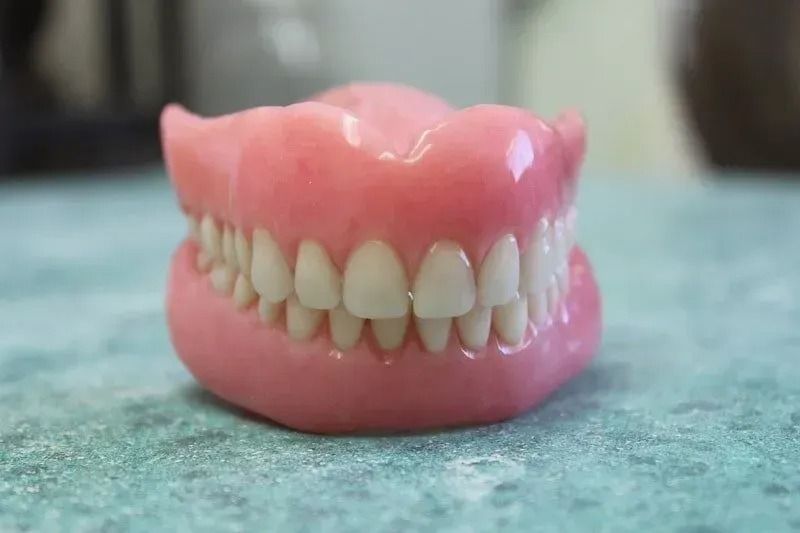
Full dentures are used when all natural teeth in either the upper or lower jaw are missing. They are designed to sit over the gums and are typically shaped to follow the contours of the mouth.
These dentures are removable and may be used to support basic oral functions such as eating and speaking.
Key features of full dentures include:
- A complete set of artificial teeth
- A base that rests on the gums
- Custom shaping to suit the individual mouth
- Removability for cleaning and maintenance
Full dentures may be considered when there are no remaining teeth to support other types of restorations. For those visiting a denture clinic on the Central Coast, this option is often discussed as part of a broader treatment plan.
What Are Partial Dentures?
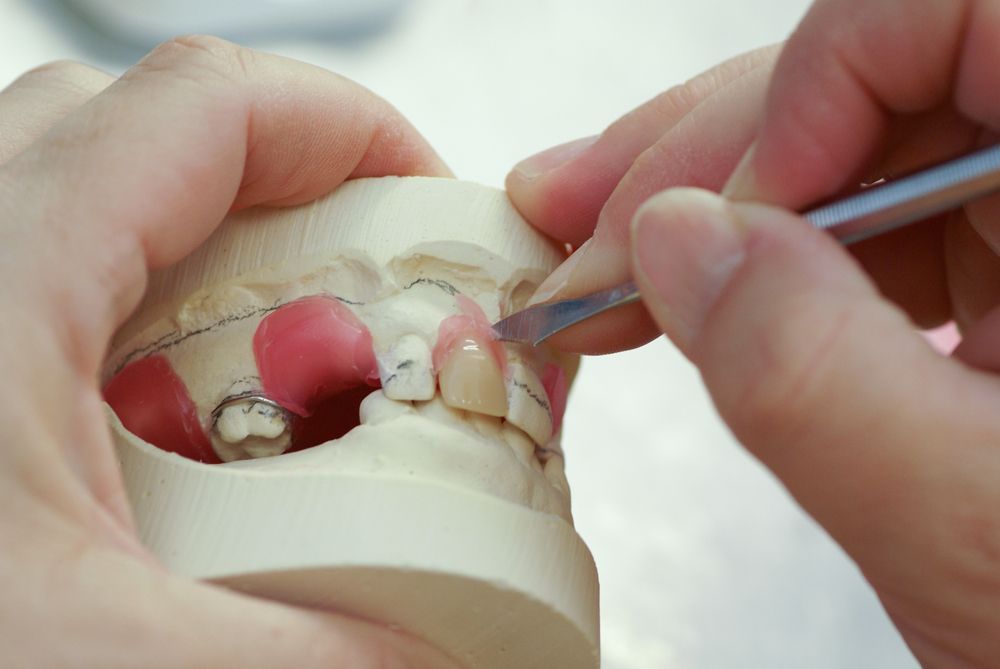
Partial dentures are designed for people who still have some natural teeth remaining. Rather than replacing a full arch, they fill the gaps created by missing teeth.
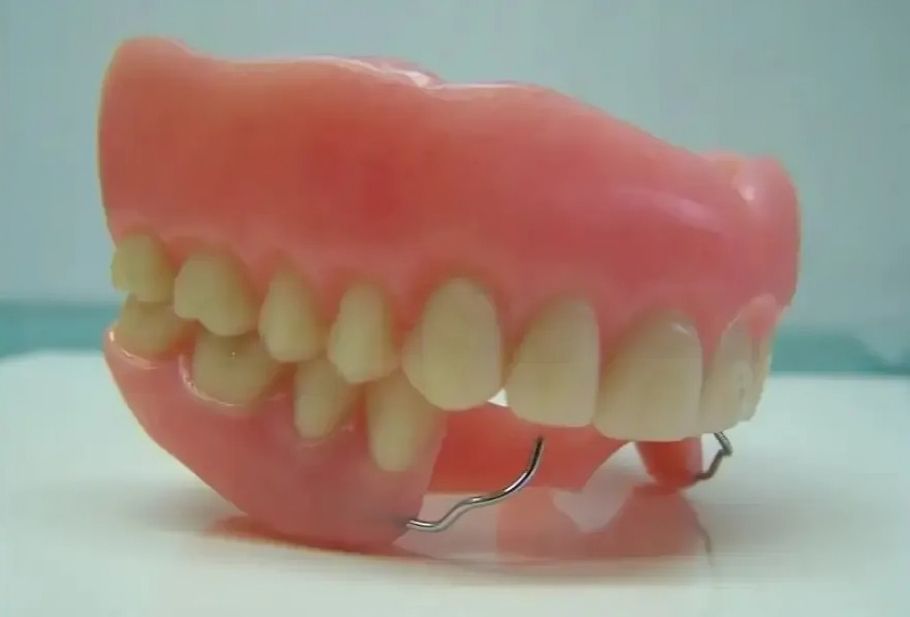
They are typically supported by existing teeth and may use clasps or other connectors to help keep them in place.
Common features of partial dentures include:
- Replacement teeth attached to a base
- Support from remaining natural teeth
- Metal or acrylic framework
- Removable design for cleaning
Partial dentures may help maintain spacing between teeth and support overall oral structure. For patients considering dentures on the Central Coast, this option may be suitable when several healthy teeth are still present.
Key Differences Between Full and Partial Dentures
While both options are designed to replace missing teeth, they function differently and suit different needs.
The main differences include:
- Full dentures replace all teeth, while partial dentures replace only some
- Partial dentures rely on remaining teeth for support
- Full dentures rest directly on the gums
- Partial dentures may feel more stable due to anchoring points
- Maintenance routines may vary depending on the design
Understanding these differences can help individuals choose an option that aligns with their current oral health and lifestyle preferences.
If you are unsure which option may be suitable, speaking with a provider at a denture clinic on the Central Coast can provide further guidance.
Comfort and Fit Considerations
Comfort is often one of the main concerns when choosing between full and partial dentures. Because every mouth is different, experiences can vary from person to person.
Some general considerations include:
- Full dentures may require an adjustment period as the mouth adapts
- Partial dentures may feel more secure due to support from natural teeth
- Changes in gum shape over time may affect how dentures sit
- Regular adjustments may be needed to maintain comfort
It is common for new denture wearers to take time to adjust to how the appliance feels. Ongoing care and follow-up appointments can help manage any discomfort or changes.
For those exploring dentures on the Central Coast, understanding these factors may help set realistic expectations.
Function and Daily Use
Dentures are designed to assist with everyday activities such as eating and speaking. However, the way they function can differ depending on the type.
With full dentures:
- Chewing may feel different compared to natural teeth
- Softer foods may be easier during the adjustment period
- Speaking may require practice initially
With partial dentures:
- Remaining teeth can help with chewing stability
- Speech changes may be less noticeable
- Familiar eating habits may be easier to maintain
These differences are often discussed during consultations at a denture clinic on the Central Coast, helping patients understand what to expect in daily use.
Maintenance and Care
Both full and partial dentures require regular cleaning and care. Proper maintenance supports hygiene and helps prolong the lifespan of the denture.
Typical care routines may include:
- Removing dentures for cleaning each day
- Using a soft brush and suitable cleaning products
- Storing dentures in water or a recommended solution when not in use
- Attending regular check-ups for assessment
Partial dentures may also require care around the remaining natural teeth, including brushing and flossing to maintain oral health.
For guidance on maintaining dentures on the Central Coast, you can explore care information.
Lifestyle Factors to Consider
Choosing between full and partial dentures often involves considering lifestyle preferences as well as oral health.
Some factors that may influence the decision include:
- The number of missing teeth
- The condition of remaining teeth
- Eating habits and food preferences
- Comfort with removable appliances
- Willingness to maintain daily care routines
Each person’s situation is different, which is why individual assessment plays an important role.
If you are exploring options through a denture clinic on the Central Coast, discussing these factors can help clarify which approach may align with your needs.
When to Seek Advice About Dentures
If you are missing teeth or considering tooth replacement options, it may be helpful to seek advice about available solutions. Dentures are one option that may be discussed depending on your oral health and goals.
You may wish to arrange a consultation if you:
- Have multiple missing teeth
- Are experiencing difficulty eating certain foods
- Notice changes in speech
- Are considering replacing existing dentures
- Want to explore available denture options
A consultation allows for a closer look at your oral health and provides an opportunity to ask questions about both full and partial dentures.
To learn more or to discuss your options for dentures on the Central Coast, visit our website.
Exploring Your Denture Options
Understanding the difference between full and partial dentures can help you feel more prepared when considering your options. Each type offers a different approach depending on your individual needs and oral health situation.
At Toukley Denture Clinic, we support patients exploring dentures on the Central Coast, providing guidance on both full and partial denture options. If you are looking for a denture clinic on the Central Coast and would like to learn more about what may be suitable for you, visit our website to explore your options or arrange a consultation.