Immediate Dentures vs Conventional Dentures: Key Differences
Choosing between immediate dentures and conventional dentures is an important decision when preparing for tooth extractions. The main difference is timing: immediate dentures are fitted straight after extractions, while conventional dentures are made once your gums have healed sufficiently.
If you're considering dentures on the Central Coast, understanding these options can help you make an informed decision. Both can restore your smile and support everyday activities, but they differ in their fitting processes, advantages and adjustment requirements.
At Toukley Denture Clinic, we understand that getting dentures for the first time can raise questions. Here's what you need to know about both options.
What Are Immediate Dentures?
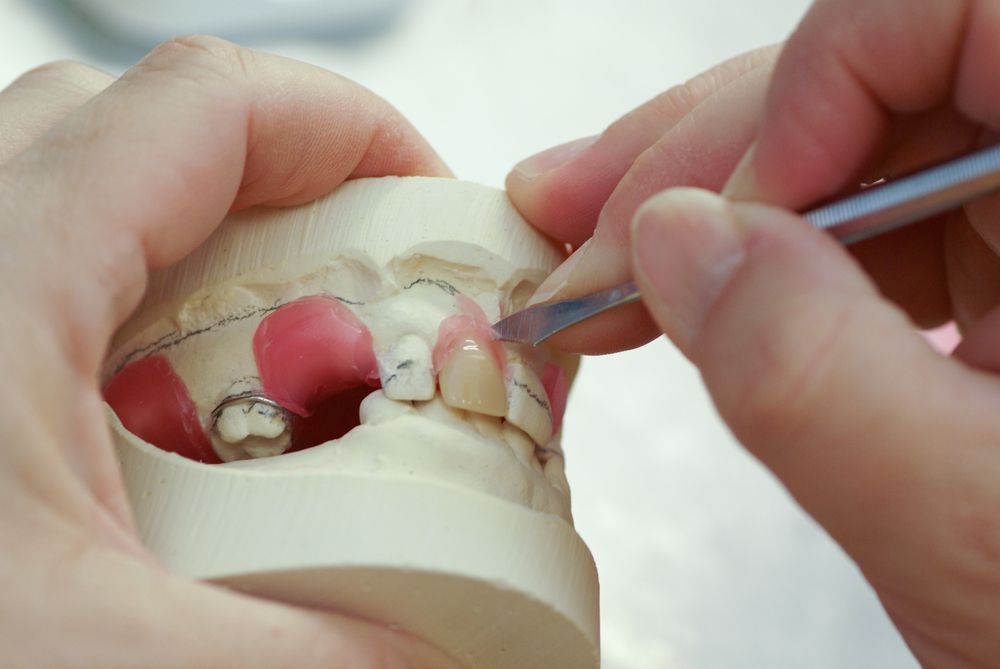
Immediate dentures are removable replacement teeth prepared before your remaining natural teeth are extracted. They're designed to be inserted shortly after extraction, allowing you to leave your appointment with replacement teeth already in place.
They're made using impressions or scans taken before extraction. Because your gums and jawbone change during healing, adjustments, relining or replacement may eventually be necessary.
Advantages of Immediate Dentures
One of the biggest benefits is avoiding an initial period without replacement teeth.
Other advantages include:
- Immediate appearance: Replacement teeth are available straight after extractions.
- Confidence: You can maintain your smile throughout recovery.
- Speech support: Dentures may help with pronunciation as you adjust.
- Gum coverage: Properly fitted dentures may provide some protection to extraction sites.
- Early adjustment: You can begin adapting to dentures during healing.
These benefits may appeal to people concerned about their appearance following extractions.
Disadvantages of Immediate Dentures
The main limitation is that immediate dentures are fitted before your gums have healed.
As swelling decreases and tissues change, dentures may become loose or uncomfortable. Several adjustments and eventual relining or replacement may be necessary.
They also require careful coordination between your treating practitioner and denture provider.
What Are Conventional Dentures?
Conventional dentures are removable replacement teeth made after extraction sites have healed sufficiently.
Unlike immediate dentures, impressions are taken once your gums have settled enough for accurate measurements. This allows the dentures to be designed around your mouth's shape after initial healing.
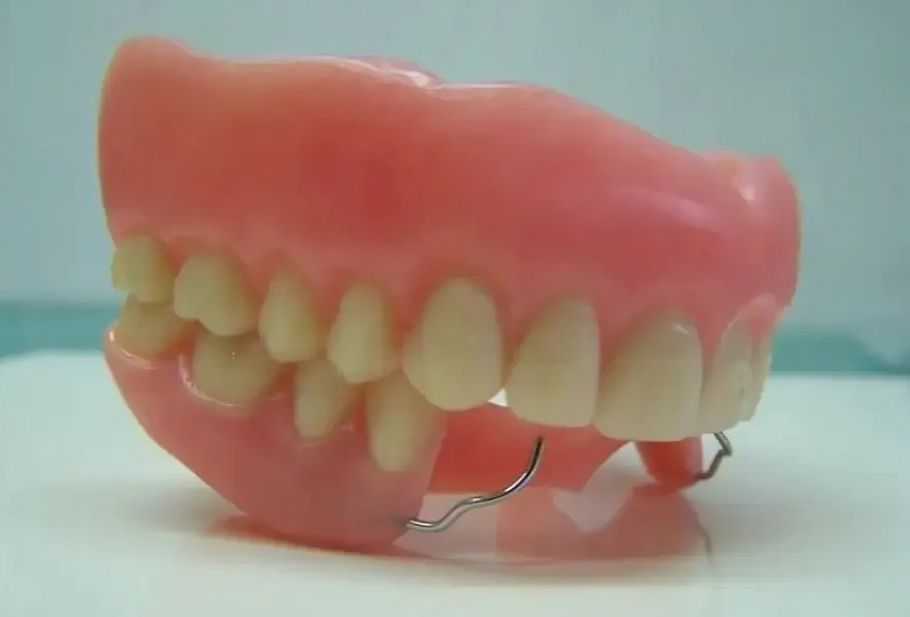
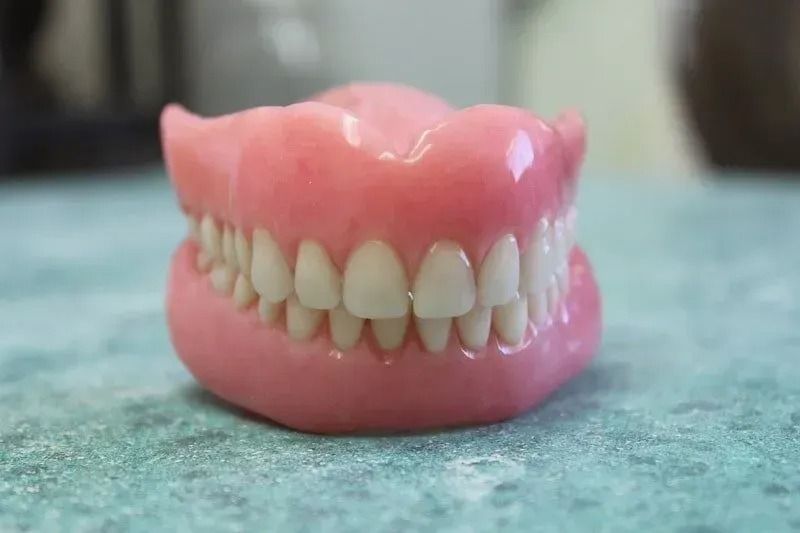
Conventional dentures can replace several missing teeth or an entire upper or lower arch.
Although they may provide a more predictable initial fit, adjustments can still be required as your mouth changes.
Advantages of Conventional Dentures
Conventional dentures offer several benefits, particularly for people comfortable waiting until their gums have healed.
These include:
- Predictable fit: Impressions reflect the gums after initial healing.
- Fewer early adjustments: Significant extraction-related changes have already occurred.
- Personalised appearance: Tooth positioning and appearance can be assessed during fitting.
- Comfort: Dentures are designed around healed gum contours.
- Ongoing use: They're generally intended as a longer-term replacement option.
However, regular maintenance remains important regardless of denture type.
Disadvantages of Conventional Dentures
The main disadvantage is waiting for your gums to heal before the dentures are made.
Depending on your circumstances, you may spend time without replacement teeth. This can affect confidence, eating and speaking, particularly when visible teeth have been removed.
Healing times vary, so the overall process may take longer than expected.
Immediate Dentures vs Conventional Dentures: Main Differences
Both options replace missing teeth, but several important differences influence which may suit you.
- Timing: Immediate dentures are prepared before extractions and inserted shortly afterwards. Conventional dentures are made following initial healing.
- Fit: Immediate dentures accommodate your mouth before extraction-related changes. Conventional dentures are made using healed gum contours.
- Adjustments: Immediate dentures commonly require more adjustments during recovery. Conventional dentures may need fewer early changes.
- Appearance: Immediate dentures help avoid being without visible replacement teeth. Conventional dentures may involve a waiting period.
- Cost: Immediate dentures may require additional appointments, relining or replacement. Conventional dentures have different treatment requirements.
Neither option is automatically better. Your oral health, lifestyle and preferences determine which approach may be appropriate.
What Happens During Denture Fitting?
The fitting process differs depending on your chosen option. Understanding each stage can help you prepare.
Immediate Denture Fitting Process
Immediate dentures require planning before extractions.
Your denture provider takes impressions or scans and arranges for your dentures to be manufactured. Your treating practitioner coordinates the necessary extractions.
Once ready, the dentures are inserted shortly after your teeth are removed.
You'll receive instructions about cleaning, wearing and caring for them during healing. Follow your treating practitioner's advice about when to remove them, particularly during the first 24 hours.
Follow-up appointments allow the fit to be assessed as swelling reduces.
Conventional Denture Fitting Process
Conventional dentures are made after your gums have healed sufficiently.
Your denture provider takes impressions or scans and records measurements to determine the appropriate fit, bite and tooth positioning.
You may attend a trial fitting to assess appearance and comfort before the dentures are completed.
Once fitted, further adjustments may be necessary as you become accustomed to wearing them.
How Long Does Healing Take?
Healing after extractions depends on the number of teeth removed, your general health and the condition of your gums.
Initial soft tissue healing often takes several weeks, while changes to the gums and jawbone can continue for months.
For immediate denture wearers, these changes can affect how securely the dentures fit. Regular adjustments may be required throughout recovery.
Conventional dentures are generally fitted after sufficient initial healing, although timing varies between individuals.
Follow your treating practitioner's instructions and attend recommended appointments. Persistent pain, worsening swelling or significant discomfort should be assessed promptly.
Which Denture Option Is Right for You?
Choosing between immediate and conventional dentures depends on your oral health, priorities and treatment requirements.
Immediate dentures may suit people who want replacement teeth available immediately after extractions, particularly when maintaining their appearance is important.
Conventional dentures may appeal to those who prefer waiting until their gums have healed before beginning the fitting process.
Consider the following factors:
- Whether you're comfortable spending time without replacement teeth.
- How many teeth need replacing.
- Your gum health and healing requirements.
- Your budget for treatment and adjustments.
- Your ability to attend follow-up appointments.
- Your expectations for comfort and appearance.
For example, someone having several front teeth removed may prefer immediate dentures to avoid a visible gap.
Someone whose teeth have already been extracted may prefer conventional dentures once healing has progressed.
A professional assessment can help determine which approach suits your circumstances.
Caring for Your New Dentures
Proper care is important for maintaining comfort, cleanliness and function, regardless of which denture option you choose.
Clean your dentures regularly using suitable products and handle them carefully to avoid damage. Remember to clean your gums, tongue and any remaining natural teeth.
New denture wearers may initially find eating and speaking unfamiliar. Starting with softer foods, taking smaller bites and practising pronunciation can help during the adjustment period.
If your dentures become uncomfortable, avoid attempting adjustments yourself. Regular professional assessments can help identify fit problems and maintain comfort.
Find the Right Dentures on the Central Coast
Both immediate and conventional dentures offer effective tooth replacement options, but they suit different circumstances.
Immediate dentures provide replacement teeth straight after extractions, while conventional dentures allow initial healing before fitting.
The right choice depends on your oral health, lifestyle and treatment preferences.
If you're looking for a denture clinic on the Central Coast, professional guidance can help you understand your options and choose an appropriate solution.
Speak with Toukley Denture Clinic
Considering dentures for the first time or preparing for tooth extractions? At Toukley Denture Clinic, we can help you explore your options and understand the fitting process.
Whether you're interested in immediate or conventional dentures,
contact Toukley Denture Clinic to discuss your needs and arrange an assessment.
Frequently Asked Questions